UX — How It Impacts Business Revenue
There is a myth that UX is solely the responsibility of designers and only concerns the appearance of buttons. In reality, UX (User Experience) is pure economics. According to Forrester Research, every dollar invested in user interface convenience brings up to $100 in return. In this article, we will examine exactly how the user experience converts into real money in your account.
When website development begins, owners often demand "wow effects." However, a business wins not when a site looks spectacular, but when it works seamlessly and efficiently for the client.
What is UX and Why Does It Matter for Business?
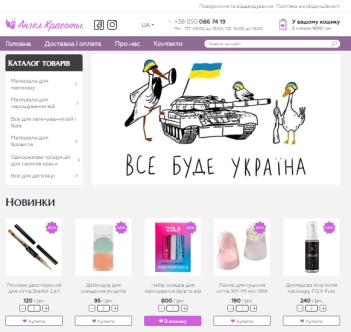
UX design is about interaction design. It’s about how easily a user can achieve their goal: find a product, fill out a form, or pay for an order. If a CRM or an online store has confusing logic, the client experiences cognitive load. The result? They go to a competitor where everything is "simpler."
How Poor UX "Eats" Your Profit
A poor user experience acts as a leak in your marketing budget:
- Abandoned Carts: 70% of users abandon purchases due to an overly long checkout process.
- Support Costs: If the interface is unclear, your call center is overwhelmed with questions like "how do I order?".
- High Bounce Rate: People close a site if they don't understand the navigation within the first 3 seconds.
5 Ways UX Design Increases Business Revenue
High-quality UX directly impacts key performance indicators:
- Increased Conversion: The fewer obstacles in the customer's path, the higher the percentage of successful orders. Optimizing just one form can raise conversion by 20-50%.
- Lower Customer Acquisition Cost (CAC): A user-friendly site ranks better and converts paid traffic more effectively, making advertising cheaper.
- Loyalty and Repeat Sales (LTV): A customer returns to where they felt comfortable. UX builds an emotional connection with the brand.
- Development Savings: Fixing errors during the prototyping stage costs 10 times less than rewriting finished code.
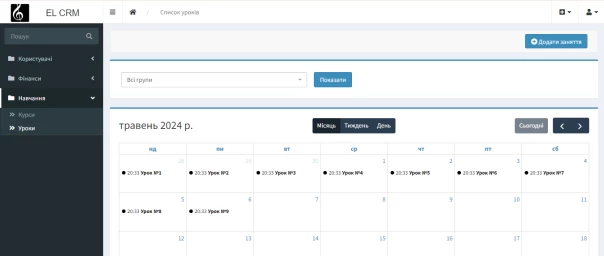
- Process Automation: In corporate systems (ERP/CRM), well-thought-out UX reduces the time employees spend on tasks by 25-30%.
Interface Psychology: From First Click to Payment
Professional UX design utilizes the laws of perception. We know where a person looks first and which colors trigger action. Proper visual hierarchy highlights the value proposition and leads to the call to action (CTA), minimizing client hesitation.
Skylex’s Approach: Designing Interfaces That Convert
At Skylex, we view UX as part of the business strategy. Our website development starts with analyzing behavioral scenarios. We create prototypes that undergo usability testing before visual design begins. Using Symfony allows us to implement complex backend logic that remains light and intuitive for the end-user.
Conclusion: UX as a Strategic Advantage
In 2026, business revenue depends on how quickly you solve a customer's problem. UX design is the tool that makes your site or system pleasant and efficient. It is an investment that pays off through loyalty and sustainable sales growth.